
Factsheet

Coping With Traumatic Events: Support Following the Bondi Incident
The recent traumatic incident in Bondi has deeply affected people across Australia. Whether you witnessed events first-hand, were nearby, know someone involved, or have been impacted by media coverage, it is completely normal to experience strong emotional and physical reactions.
We have prepared this guide to help you understand common responses, find practical coping strategies, and support others in your community.
This page covers
- Common reactions to traumatic events
- Practical ways to support your wellbeing
- Supporting children and young people
- Supporting your community as a Lion
- When to seek further help
Common Reactions After a Traumatic Event
People experience trauma in different ways. You may notice:
Emotional reactions
- Shock, disbelief or numbness
- Fear, anxiety, a sense of danger
- Sadness, anger or frustration
- Guilt or helplessness
Physical reactions
- Fatigue or disrupted sleep
- Tight chest or rapid heart rate
- Headaches, loss of appetite
- Restlessness or difficulty concentrating
Behavioural reactions
- Avoiding reminders of the incident
- Seeking constant news updates
- Wanting to keep busy vs. withdrawing
- Heightened protectiveness toward family
These responses are normal, and for many people they ease over time.
Watch: Ask a therapist: How to cope with distressing events and bad world news
This video by Reach Out helps explain thefeeling and emotions you may experience and tips on how to cope with these.
When to Seek Further Help
If your feelings are overwhelming, persistent, or impacting daily life, please reach out for professional support.
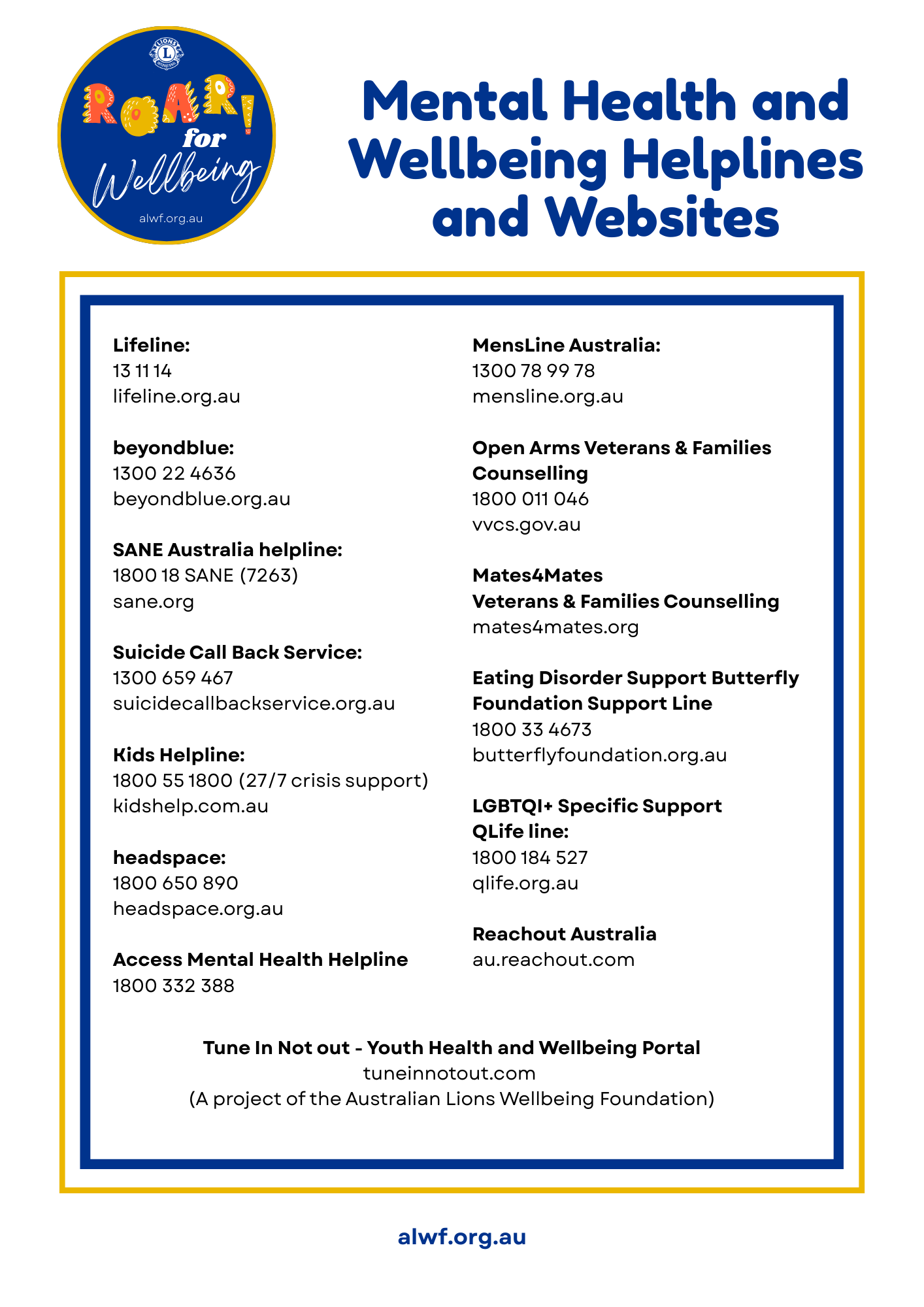
Crisis and support services:
• Lifeline – 13 11 14
• Beyond Blue – 1300 22 4636
• Kids Helpline – 1800 55 1800 (ages 5–25)
• MensLine Australia – 1300 78 99 78
You don’t have to navigate this alone.
Practical Ways to Support Your Wellbeing
The following strategies can help you regain a sense of safety and grounding:
1. Limit media exposure
Continuous news and social media updates can heighten distress.
Try:
• Setting specific times to check updates
• Choosing reputable sources
• Avoiding graphic content
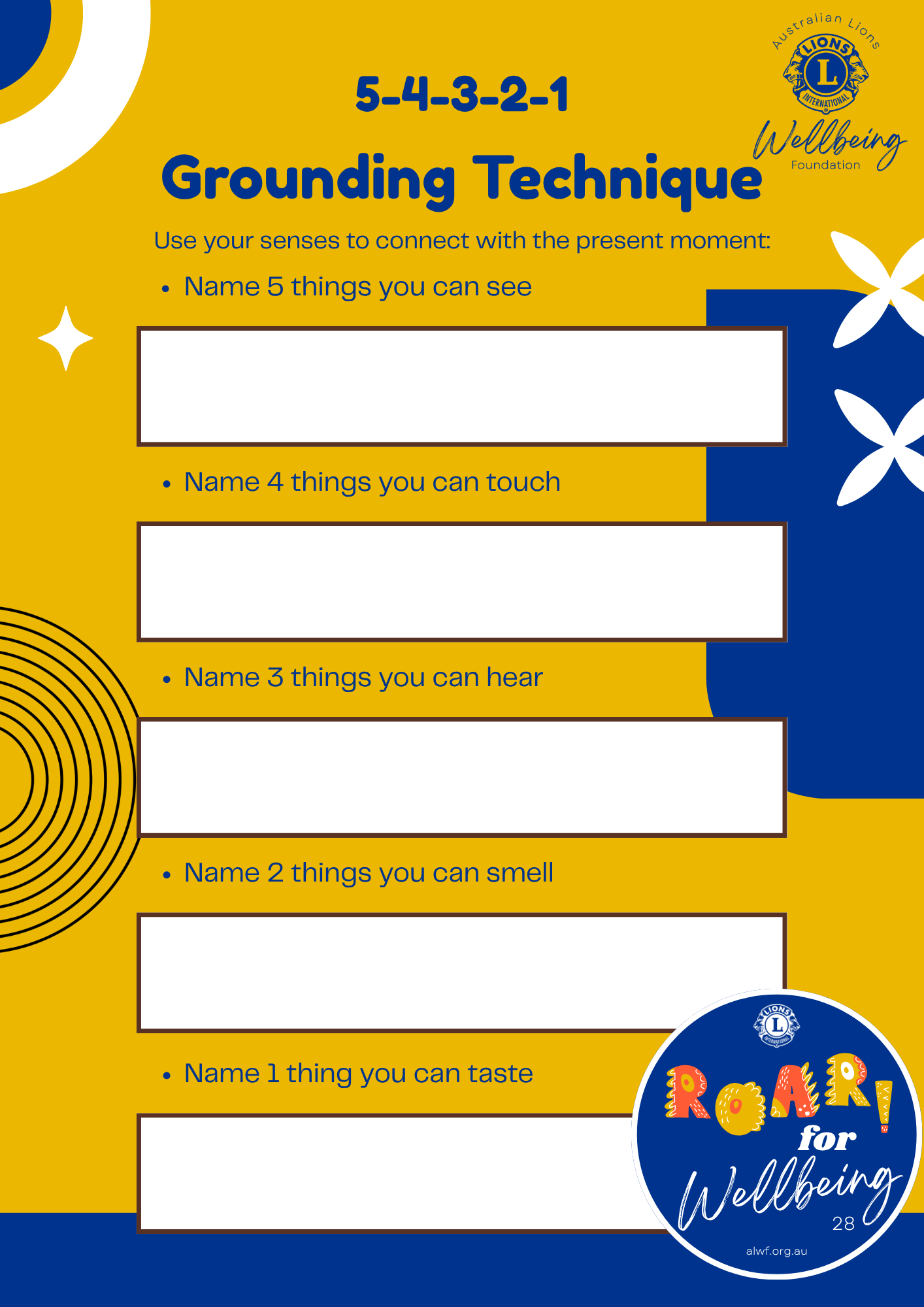
2. Use grounding techniques
Grounding helps your body and mind re-establish a sense of calm.
Try:
• 5–4–3–2–1 technique (See our handout below)
• Slow breathing exercises
• Holding something cool or textured
• Feeling your feet on the ground
3. Maintain your daily routine
Predictability helps restore a sense of control and normalcy.
4. Connect with others
Talk with someone you trust. This could be a friend, family member, a neighbour, or community member.
5. Take care of your body
Eat regularly, stay hydrated, walk outdoors, stretch, and rest when you can.
6. Do things that bring comfort
This might include listening to music, spending time with pets, reading, crafting, or watching a favourite show. Find out more about how music can help your wellbeing at our health and wellbeing portal www.tuneinnotout.com
Find out more self care tips with our self care for beginners factsheet.
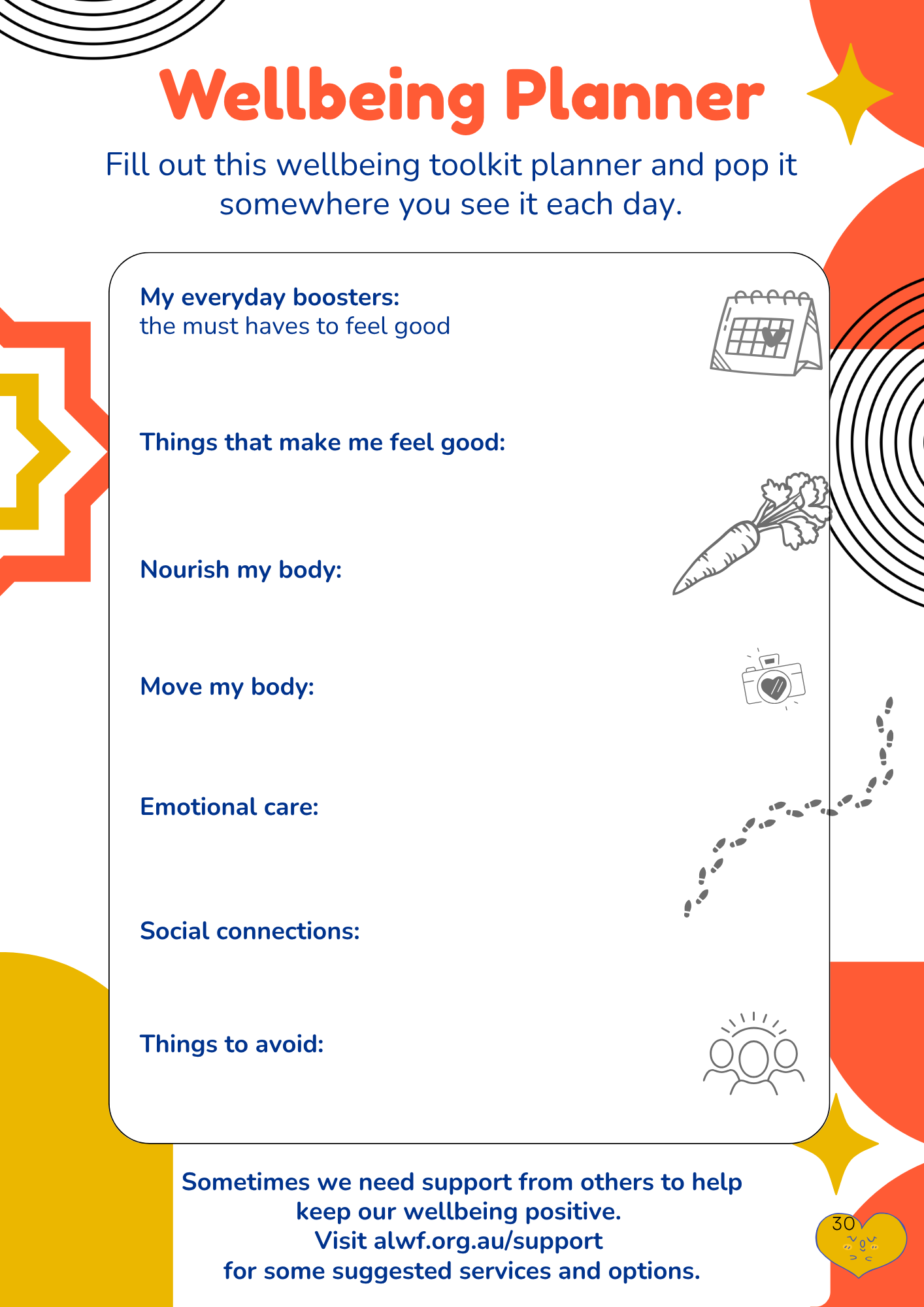
Download these resources which could help
Supporting Children and Young People
Young people may express trauma differently — through behaviour changes, questions, clinginess, withdrawal, irritability, or sleep issues.
Helpful tips for adults:
- Give simple, age-appropriate information
- Reassure them that they are safe
- Listen calmly and validate their feelings
- Keep routines steady
- Avoid exposing them to distressing news footage
- Encourage them to express feelings through drawing, writing, or talking
Explore youth-friendly tools:
Our youth health and wellbeing portal, Tune In Not Out, has a section dedicated to coping with traumatic incidents, it provides young people with information in the form of videos, factsheets and even music playlists.
Visit Tune In Not Out tuneinnotout.com/mental-health/traumatic-incidents/
Additional parent resources:
- Kids Helpline – Supporting your child after tragic events
- Lifeline – After the Bondi Attack – Looking afer your wellbeing
Supporting Your Community as a Lions Member
Lions often play a significant role in helping communities navigate difficult times.
Ways you can support include:
- Checking in on vulnerable or isolated individuals
- Hosting a low-key cuppa & chat event to give people a space to connect
- Sharing ALWF and Tune In Not Out resources with club members and families
- Encouraging others to seek professional support when needed
- Being a calm, informed presence in your community
When to Seek Further Help
If your feelings are overwhelming, persistent, or impacting daily life, please reach out for professional support.
Crisis and support services:
• Lifeline – 13 11 14
• Beyond Blue – 1300 22 4636
• Kids Helpline – 1800 55 1800 (ages 5–25)
• MensLine Australia – 1300 78 99 78
You don’t have to navigate this alone.